
Did you know footpad lesions, or avian pododermatitis, affect many poultry worldwide? It hurts their welfare and productivity. As a poultry farmer or enthusiast, knowing about this is key to keeping your birds healthy.
I’ve seen how poor poultry foot health can make birds uncomfortable and less productive. In this article, I’ll explain the causes, symptoms, and treatments for footpad lesions. This will help you prevent and manage this issue well.
Key Takeaways
- Understanding the causes of footpad lesions is key to preventing them.
- Spotting symptoms early can help in treating them better.
- There are effective treatments for avian pododermatitis.
- Keeping poultry foot health good is vital for their welfare.
- Using prevention strategies can greatly lower footpad lesion cases.
Understanding Footpad Lesions in Poultry
It’s important to know about footpad lesions to keep your poultry healthy. As a farmer, you need to watch out for health problems in your birds. Footpad lesions are a big concern.
What Are Footpad Lesions?
Footpad lesions are damage or inflammation on a bird’s footpads. They can be caused by many things like the environment, what they eat, and germs. These problems can make birds uncomfortable, hurt, and have trouble moving.
For more info on footpad dermatitis, check out Elanco’s resource page. Knowing about footpad lesions is the first step to managing them.
Importance of Recognizing Lesions
Finding footpad lesions early is key to managing them. Early detection means you can act fast. This can stop the problem from getting worse and prevent serious issues.
By understanding footpad lesions, you can protect your flock. Regular checks are important to catch any problems early. This helps keep your birds healthy and happy.
Common Causes of Footpad Lesions
Footpad lesions can come from several main causes. Knowing these causes is key for good poultry foot care and preventing footpad issues.
Environmental Factors
Environmental conditions greatly affect footpad lesions. Wet litter, bad ventilation, and high humidity can lead to footpad dermatitis. For example, wet litter can make the skin on the footpads soft, making it easier to get irritated and infected.
Keeping the living area clean and dry is very important. This means cleaning the coop often and making sure there’s enough air to lower humidity. By improving these environmental factors, farmers can lower the chance of footpad lesions.
| Environmental Factor | Impact on Footpad Health |
|---|---|
| Wet Litter | Softens skin, increasing susceptibility to irritation and infection |
| Poor Ventilation | Leads to high humidity, exacerbating dermatitis |
| High Humidity | Contributes to moist environments that foster bacterial growth |
Dietary Influences
Diet also affects poultry foot health. The wrong diet can make birds more likely to get footpad lesions. For instance, not getting enough vitamins or minerals can hurt the skin.
It’s important to feed a balanced diet with all the necessary nutrients. Sometimes, supplements are needed, but always talk to a vet first to find the right diet.
Pathogens and Bacteria
Some pathogens and bacteria can cause or make footpad lesions worse. Infections can spread through contact with dirty litter or sick birds. It’s important to manage these pathogens to manage footpad dermatitis.
Using biosecurity like cleaning and isolating sick birds can help stop infections. Also, keeping a close eye on the flock’s health can help catch and treat footpad lesions early.
Symptoms of Footpad Lesions
It’s important to know the signs of footpad lesions in poultry. Spotting them early can help a lot. It can make treatment better and lower the chance of bigger problems.
Physical Signs to Look For
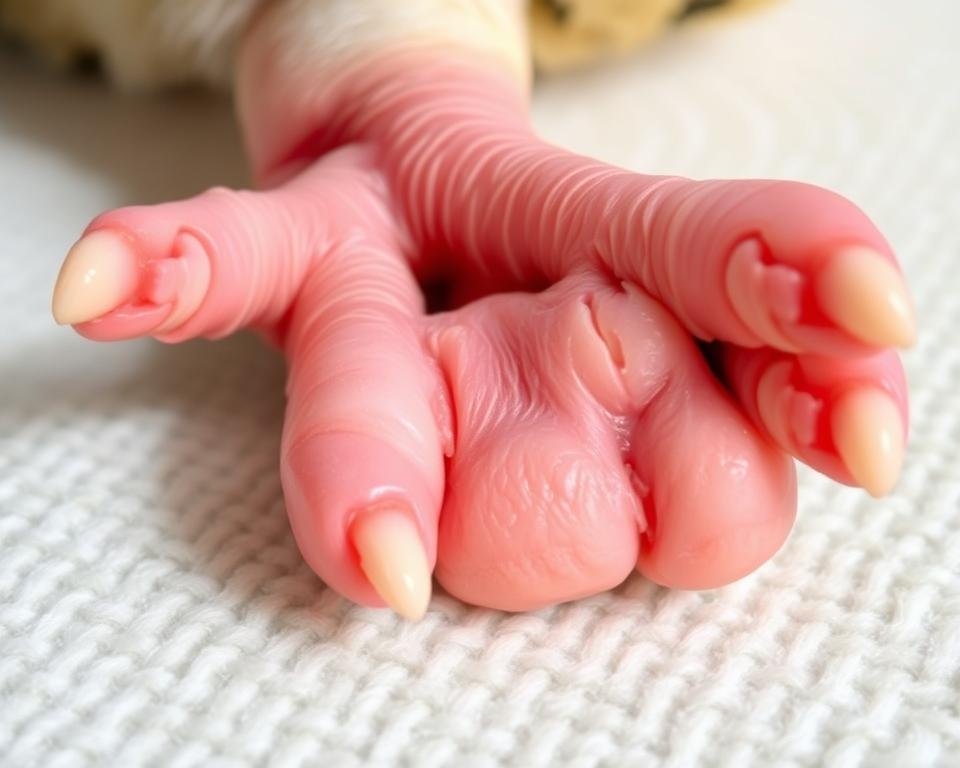
Footpad lesions show up in different ways. You might see swelling, redness, or inflammation on the footpads. In bad cases, the lesions can turn into ulcers or even die off, causing serious health problems.
Key physical signs to watch for include:
- Swelling or inflammation on the footpads
- Visible lesions or ulcers
- Redness or discoloration
- Necrotic tissue
Behavioral Changes in Affected Birds
Birds with footpad lesions often act differently. They might limp, move less, or seem stressed. These changes are because of the pain or discomfort.
Common behavioral changes include:
| Behavioral Change | Description |
|---|---|
| Limping | Birds may limp or show a reluctance to bear weight on the affected foot. |
| Reduced Activity | Affected birds may become less active or show less enthusiasm for foraging or moving. |
| Stress or Anxiety | Birds may exhibit signs of stress, such as pacing, feather pecking, or other abnormal behaviors. |
Knowing these signs helps you act fast. This can really help your poultry’s health and happiness.
Risk Factors for Developing Footpad Lesions
It’s important to know the risk factors for footpad lesions to keep poultry foot health in check. Several things can lead to these lesions. Knowing them helps in preventing them.
Poor Housing Conditions
Poor housing is a big risk for footpad lesions. Bad air and dirty places can cause these problems. Keeping poultry houses clean and well-ventilated is key to preventing footpad issues.
Bedding Material Quality
The bedding in poultry houses is very important for foot health. Bad bedding can hurt the footpads, causing lesions. It’s important to use dry and comfy bedding for the birds.
Overcrowding Issues
Too many birds in one place is another big risk. Overcrowding stresses birds and puts pressure on their feet, making them more likely to get lesions. It’s important to manage how many birds are in a space.
By tackling these risks, poultry farmers can lower the number of footpad lesions. Good housing, quality bedding, and not overcrowding are important. These steps help keep poultry foot health and the whole flock well.
Prevention Strategies for Footpad Lesions
By taking proactive steps, you can lower the chance of footpad lesions in birds. This makes their living space healthier and more comfortable.
Optimizing Living Conditions
Improving where your birds live is key to preventing footpad lesions. Make sure the litter is always clean and dry. Dirty or wet litter can cause lesions, so it’s important to clean it often.
Key aspects to consider when optimizing living conditions include:
- Maintaining dry litter to prevent bacterial and fungal growth.
- Ensuring adequate ventilation to reduce moisture.
- Providing enough space to prevent overcrowding.
Regular Health Check-Ups
Regular health checks are also essential. They help spot problems early, so you can act fast.
During these check-ups, look for signs such as:
- Discoloration or lesions on the footpads.
- Swelling or redness.
- Changes in behavior or mobility.
Spotting issues early lets you fix them quickly. This can stop the problem from getting worse.
Treatment Options for Affected Poultry
Keeping poultry healthy is key. Treating footpad lesions is important for their well-being. It’s vital to use both traditional and natural methods for the best results.
Pharmacological Treatments
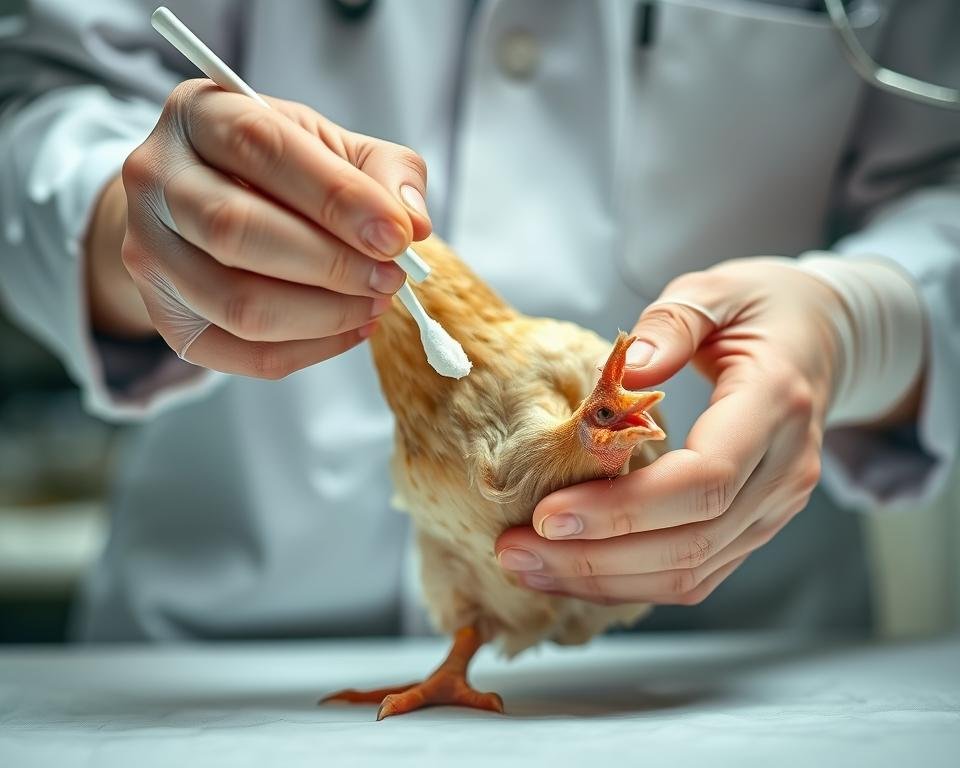
Antibiotics are often used to fight infections in poultry. Anti-inflammatory medications can also help with swelling. But, always follow a vet’s advice to avoid problems.
Choosing treatments depends on the lesions’ severity and the flock’s health. A vet’s regular check-ups are important to adjust treatments as needed.
Natural Remedies
Natural remedies can also help with footpad lesions. Herbal supplements can boost the birds’ health. Topical treatments from nature can soothe and heal.
Using aloe vera or tea tree oil can help with inflammation. But, make sure these remedies are safe for the birds and follow production rules.
Combining traditional and natural treatments can help poultry farmers manage footpad lesions. This approach can improve the health of their flocks.
Managing Severe Cases of Footpad Lesions
Severe footpad lesions need quick action and a detailed plan. It’s key to stop further problems and keep the birds healthy.
When to Consult a Veterinarian
Knowing when to get help is important for severe footpad lesions. A vet can check the condition and suggest the best treatments. Look for signs like big swelling, discharge, or trouble walking. If you see these, see a vet right away.
Key indicators for seeking veterinary care include:
- Severe swelling or inflammation
- Presence of discharge or pus
- Limping or reluctance to move
- Failure to respond to initial treatments
Surgical Interventions
Sometimes, surgery is needed for severe footpad lesions. This might include draining abscesses, removing bad tissue, or fixing deformities. Surgery is usually a last choice but can be vital for the birds’ health.
The decision to proceed with surgery should be made in consultation with a veterinarian, considering the bird’s health, the severity of the lesions, and the surgery’s benefits and risks.
The Role of Nutrition in Prevention
Preventing footpad lesions in poultry is a big task. Nutrition plays a huge role in this. A good diet keeps poultry healthy, including their feet. By paying attention to nutrition, farmers can lower the number of footpad lesions.
Essential Nutrients for Healthy Feet
Some nutrients are key for healthy poultry feet. Vitamin A helps keep the skin strong. Zinc aids in healing and keeps the footpad healthy. Making sure these nutrients are in the diet can stop footpad lesions.
Amino acids like methionine and cysteine are also important. They help keep the skin and footpads healthy. Without enough, poultry can get lesions and foot problems. So, it’s important to feed them a diet full of these nutrients.
Recommended Feed Supplements
Feed supplements can also help poultry foot health. Probiotics in supplements boost gut health, which is good for overall health, including the feet. Supplements with anti-inflammatory properties can also help lessen footpad lesions.
By improving the nutrition of your poultry, you can make them less likely to get footpad lesions. This will also make them healthier overall.
Impact of Footpad Lesions on Poultry Production
Footpad lesions in poultry have big effects on both the birds’ health and the farm’s money. These lesions, or avian pododermatitis, cause big problems for farmers.
Economic Consequences
Lesions on a bird’s foot can cost farmers a lot of money. Birds with these problems move and eat less well. This means they grow slower and weigh less, hurting the farm’s profits.
Key economic impacts include:
- Increased veterinary and treatment costs
- Reduced productivity and growth rates
- Potential for increased mortality rates
- Down-grading of carcasses at processing, affecting market value
Effects on Poultry Welfare
Footpad lesions also hurt the birds’ well-being. Birds with these problems may feel pain and discomfort. This can change how they act and lower their quality of life.
Welfare concerns associated with footpad lesions include:
- Pain and discomfort for affected birds
- Changes in behavior, such as reduced activity
- Potential for secondary infections or complications
Fixing footpad lesions is key for both the farm’s money and the birds’ health. By knowing why these problems happen and using good prevention and treatment, farmers can help their birds. This improves the health and happiness of the flock.
Research and Future Directions
As we explore footpad lesions in poultry, it’s vital to keep researching. The poultry world is seeing new ways to treat and prevent these issues. This brings hope for better managing footpad lesions.
Advancements in Treatment Methods
New studies show promising treatments like advanced wound care and specific therapies. These breakthroughs are a big step for poultry foot care. They help farmers care for their birds better.
Prevention Techniques Under Investigation
Experts are looking into new ways to stop footpad lesions. They’re working on better living conditions and nutrition. This could greatly reduce footpad lesions in poultry.
Keeping up with the latest research helps farmers and producers. They can use the best practices in poultry foot care. This improves the health and well-being of their birds.